
Category
Roof Inspection: What a Professional Finds That Homeowners Miss
8 minute Read

Posted 9.10.26

Most homeowners only think about their roof when a leak shows up on the ceiling, but by then the damage has usually been building for months. A thorough roof inspection catches problems long before they turn into an expensive repair, which is exactly why a trained eye matters so much more than a quick glance from the driveway. For homeowners in Grimes and surrounding areas, understanding what actually happens during a professional visit makes it much easier to see the value in a team that spends its days finding what everyone else drives past.
A quick preview of what this guide covers:
- The specific things a professional checks that a homeowner usually cannot see
- What actually happens during a proper inspection, step by step
- How to tell which warning signs you can assess yourself
Why a Trained Eye Catches What a Glance From the Ground Cannot
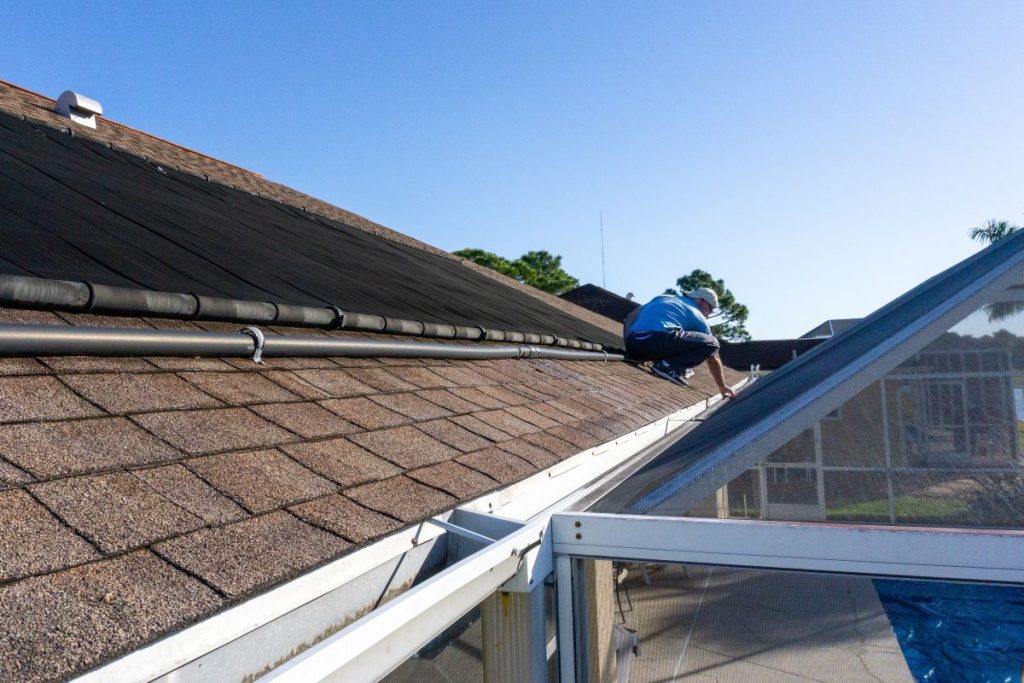
A roof can look perfectly fine from the yard while quietly developing problems that only become obvious once they have caused real damage. Understanding why professional inspections matter helps explain why skipping them so often ends up costing homeowners more in the long run.
- Early Detection: Small issues like lifted flashing or granule loss are far cheaper to fix before they lead to leaks.
- Insurance Documentation: A professional report creates a paper trail that can support future claims after a storm.
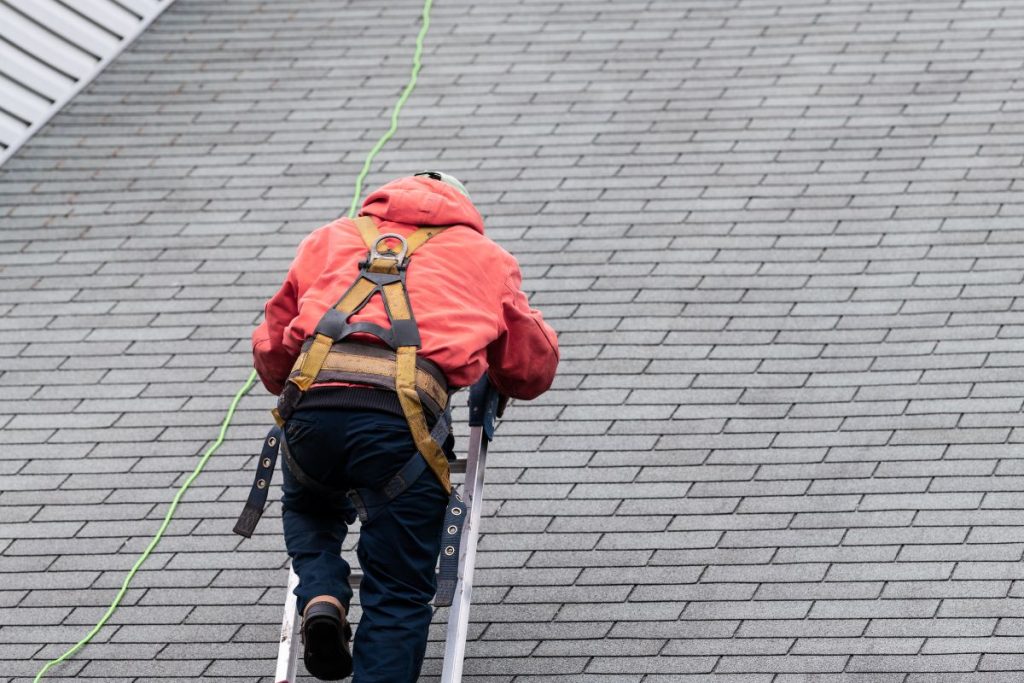
- Safety: Walking a roof to inspect it properly requires equipment and experience most homeowners simply do not have.
- Long Term Savings: Catching wear early consistently costs less than replacing water damaged decking, insulation, or drywall later.
Even a detailed exterior and interior checklist can miss things when it is followed casually rather than systematically, which is part of why experience matters as much as the checklist itself. Investing a little time in understanding this process now can save you from a much larger and more stressful repair later.
8 Things a Professional Roof Inspection Uncovers That Homeowners Miss
A roof inspection is not just a quick walk around the yard looking up at the shingles. Professionals are trained to look in specific places for specific warning signs that rarely show up to an untrained eye.
1. Cracked or Lifted Flashing
Flashing around chimneys, vents, and roof valleys is one of the most common failure points on any roof, and small cracks are nearly impossible to spot from ground level.
2. Granule Loss on Shingles
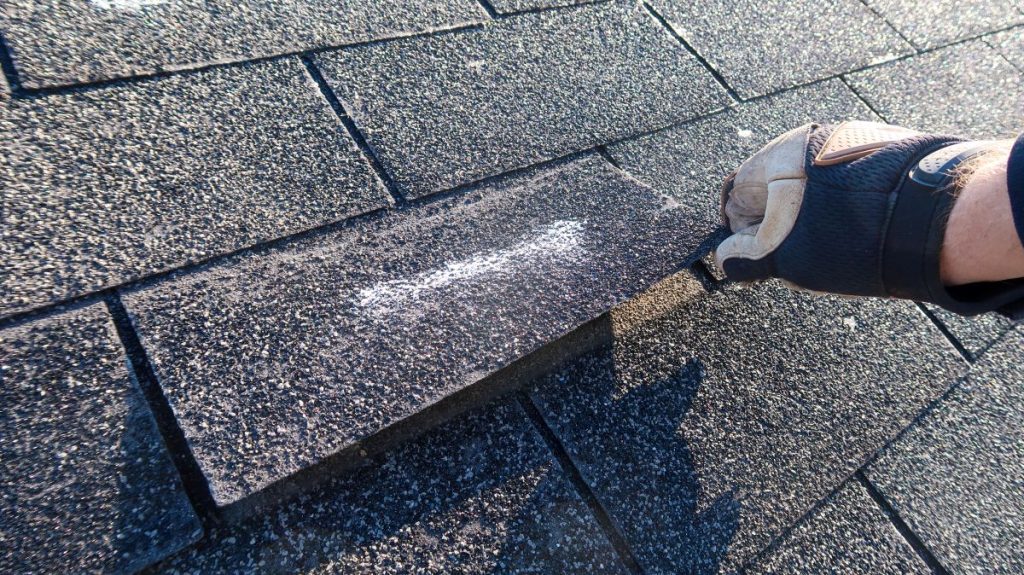
Shingles gradually shed the protective granules on their surface, and heavier than normal loss is often an early sign that a roof is nearing the end of its useful life.
3. Soft or Spongy Decking
Walking the roof allows an inspector to feel for soft spots in the decking underneath the shingles, which usually indicates trapped moisture that has already begun causing damage.
- Soft decking often means the underlayment has failed in that area
- Left unaddressed, it can eventually lead to structural sagging
- This issue is essentially impossible to detect without walking the roof
4. Signs of Pest or Animal Entry
Small gaps near the roofline or soffit can allow squirrels, birds, or insects to get into the attic, and inspectors know exactly where to look for these entry points.
5. Improper Previous Repairs
A previous owner or a rushed repair job can leave behind mismatched shingles, exposed nail heads, or improperly sealed patches that create future leak points.
6. Ventilation Problems
Poor attic ventilation traps heat and moisture, which accelerates shingle aging from the underside in a way that is completely invisible from outside the home.
7. Attic Moisture and Mold
A full inspection includes checking the attic itself for water stains, damp insulation, or early mold growth, since these signs often appear well before a ceiling stain does.
8. Wear Around Roof Penetrations
Vents, skylights, and chimneys all create seams in the roofing system, and these penetration points are consistently among the first places a roof begins to fail.
Taken together, these eight issues explain why a professional inspection uncovers so much more than a homeowner walking the yard with a pair of binoculars. Catching even one or two of these problems early can prevent thousands of dollars in avoidable damage down the road, and it often extends the usable life of the roof by several years in the process.
What Actually Happens During a Professional Inspection
Understanding the actual process behind a roof inspection helps set realistic expectations for what you will get out of the visit. Most thorough inspections move through a few clearly defined stages rather than a single quick look.
Exterior Assessment
The inspector starts by walking the roof itself, checking the overall condition of the shingles, flashing, and any visible wear along ridges and valleys.
Material Inspection
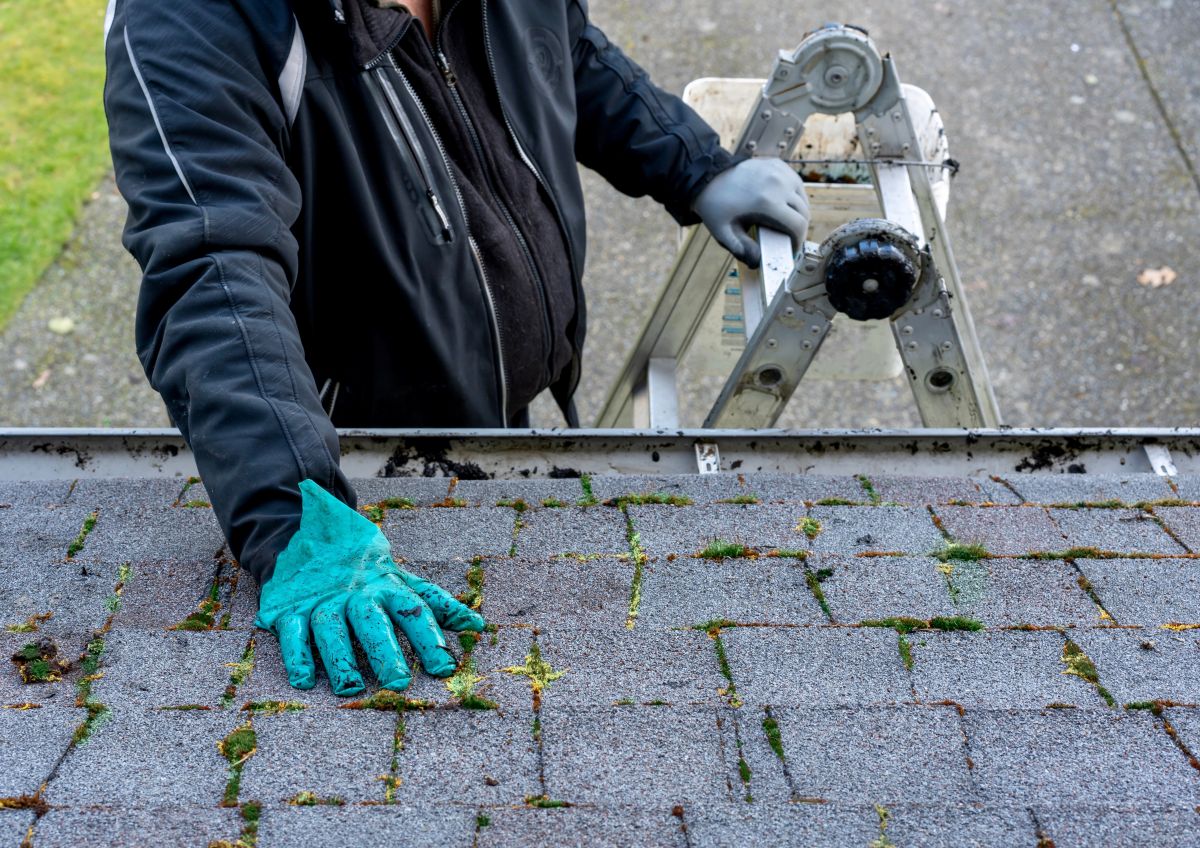
Next comes a closer look at the roofing material specifically, checking for cracked, curling, or missing shingles along with any staining from moss, rust, or trapped water.
Interior and Attic Check
The final stage moves inside the home, checking the attic and ceilings for water stains, damp insulation, or daylight coming through the roof deck where it should not be.
Walking through these three stages in order helps explain why a rushed, exterior-only inspection often misses the very problems that end up costing homeowners the most.
Ground Level Warning Signs vs What Requires a Professional
Some warning signs are genuinely visible to a homeowner standing in the yard, while others require the training and equipment a professional brings to the job. Knowing the difference helps you decide when a quick look is enough and when it is time to call someone out.
| Warning Sign | What It Might Indicate | Who Should Check It |
| Missing or curled shingles | Wind or age related damage | You can spot this, a pro should assess extent |
| Granules in gutters | Shingle wear nearing end of life | Professional evaluation recommended |
| Ceiling stains | Active or past leak | Professional inspection needed |
| Sagging roofline | Possible structural issue | Professional inspection required immediately |
Being able to spot the early, visible warning signs yourself is genuinely useful, since it tells you when it is time to schedule a closer look. Just keep in mind that the absence of visible signs does not mean the roof is problem free, since many of the most serious issues only show up once someone is actually walking the surface and checking the attic from the inside. A short conversation with a professional is often all it takes to put your mind at ease either way.
Frequently Asked Questions About Roof Inspections
Scheduling a roof inspection brings up plenty of practical questions, especially for homeowners going through the process for the first time. Here are the ones we hear most often from homeowners in Grimes and surrounding areas.
How Long Does a Professional Roof Inspection Take?
Most residential roof inspections take between 30 minutes and an hour, though larger or more complex roofs can take longer.
How Often Should I Get My Roof Inspected?
A general rule of thumb is once a year, along with an additional inspection after any major storm involving high winds or hail damage.
Can I Inspect My Own Roof Instead?
You can check obvious warning signs from the ground, but a full inspection involving walking the roof and checking the attic should be left to a trained professional for both safety and accuracy.
Does a Roof Inspection Cost Anything?
Pricing varies by company and the scope of the inspection, so it is worth asking directly what is included before scheduling.
What Happens After the Inspection Is Complete?
You should receive a clear explanation of any issues found, along with practical recommendations, so you can decide how to move forward without feeling pressured into unnecessary work.
If you still have questions about what to expect, a conversation with a local roofing professional can clear up most of the uncertainty before you ever schedule a visit.
Let’s Take a Closer Look at Your Roof
A roof inspection is one of the simplest ways to protect one of the largest investments in your home, yet it is also one of the easiest things to put off. First Fruits Construction has helped homeowners across Grimes and surrounding areas catch small issues before they became expensive problems, walking every roof with the same attention to detail whether it is a routine checkup or a post storm assessment. Our team focuses on education over sales, explaining exactly what we find and why it matters rather than pushing unnecessary work. If it has been a while since your last inspection, or you are simply not sure what condition your roof is in, contact us today and let’s get you a clear, honest answer.
Discover Better Roofing Today!
"*" indicates required fields
"Whatever you do, work at it with all your heart"
Colossians 3:23