
Category
What to Expect From the Storm Restoration Process (Start to Finish)
8 minute Read

Posted 9.10.26

Severe weather can turn a normal week into a stressful scramble of tarps, phone calls, and insurance paperwork almost overnight. Having a clear storm restoration guide in mind before that happens makes the entire process feel far less overwhelming once damage actually occurs. Most homeowners only think about any of this after a storm has already passed, which is often the worst possible time to start learning how the process actually works. For homeowners in Waukee and surrounding areas who want to know what to expect, it helps to understand each stage ahead of time, including what a team that walks Iowa homeowners through storm recovery every season actually does at each step along the way.
A quick look at what this guide walks through:
- What happens immediately after a storm and why timing matters
- How the insurance claim process typically unfolds
- What a contractor can and cannot do compared to your insurance adjuster

Why Having a Plan Before the Storm Hits Matters
Most homeowners have never gone through a storm restoration process until they suddenly need to, which is exactly when confusion tends to cause the most expensive mistakes. Understanding the stakes ahead of time helps you move through the process with far less stress.
- Faster Recovery: Knowing the right first steps means less time spent figuring things out while damage continues to worsen.
- Stronger Insurance Position: Proper documentation and timing can meaningfully affect how smoothly a claim gets approved.
- Less Stress: Understanding what to expect at each stage reduces the anxiety that comes with an unfamiliar process.
- Prevented Secondary Damage: Acting quickly on temporary protection can stop a bad situation from becoming a much worse one.
According to a detailed breakdown of how homeowners typically file a claim for storm related roof damage, documentation and timing are two of the biggest factors in how smoothly the process goes. Keeping that in mind before a storm ever hits puts you in a much stronger position when one eventually does, rather than trying to learn the entire process for the first time while already dealing with active damage.
6 Stages of the Storm Restoration Process
Every storm restoration project moves through a fairly predictable sequence, even though the specific damage and timeline will vary from home to home. Understanding each stage ahead of time helps you know what to expect and when.
1. Safety First and Immediate Protection
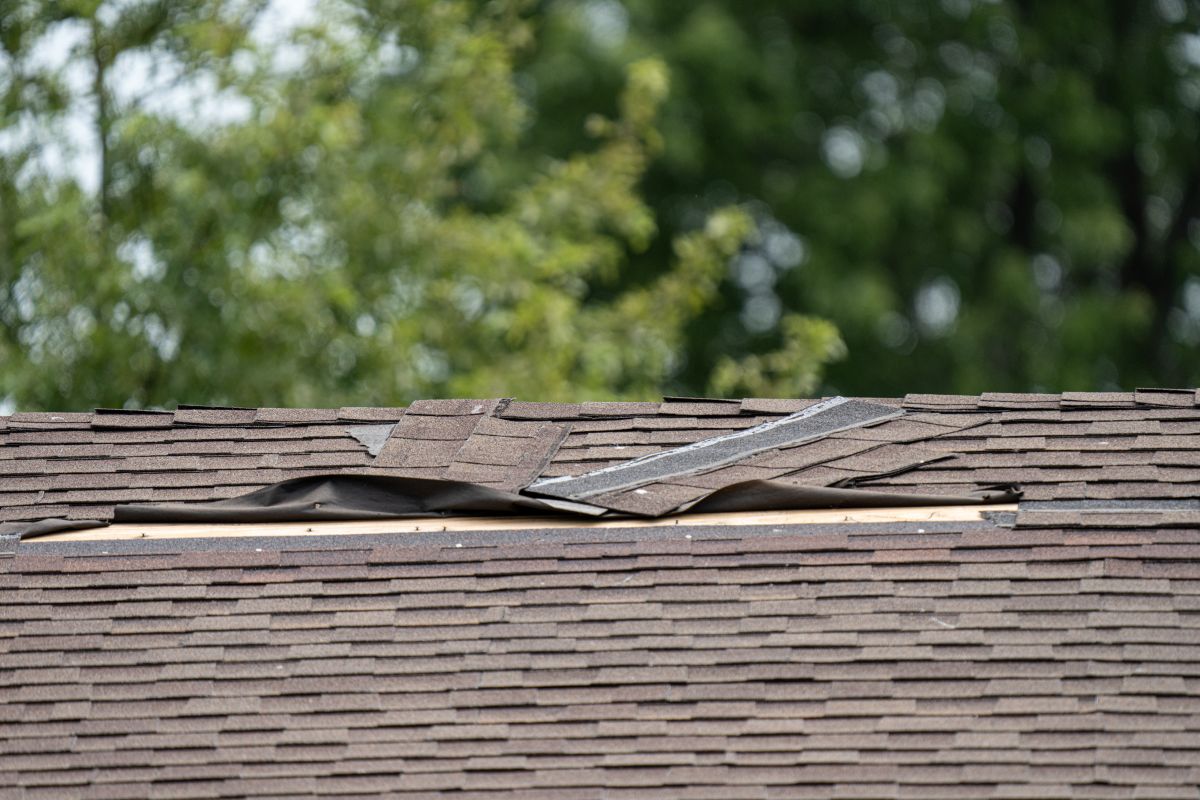
Before anything else, homeowners should wait until conditions are safe before assessing damage, watching for downed power lines, unstable trees, and structural hazards. Temporary measures like tarping an exposed roof section can prevent a bad situation from getting significantly worse before repairs begin.
2. Documenting the Damage
Thorough photo and video documentation of both exterior and interior damage creates the foundation for a smooth insurance claim later in the process.
- Photograph damage from multiple angles before anything is touched or repaired
- Keep a written list of affected areas as you notice them
- Save any receipts related to emergency protective measures
3. Scheduling a Professional Inspection
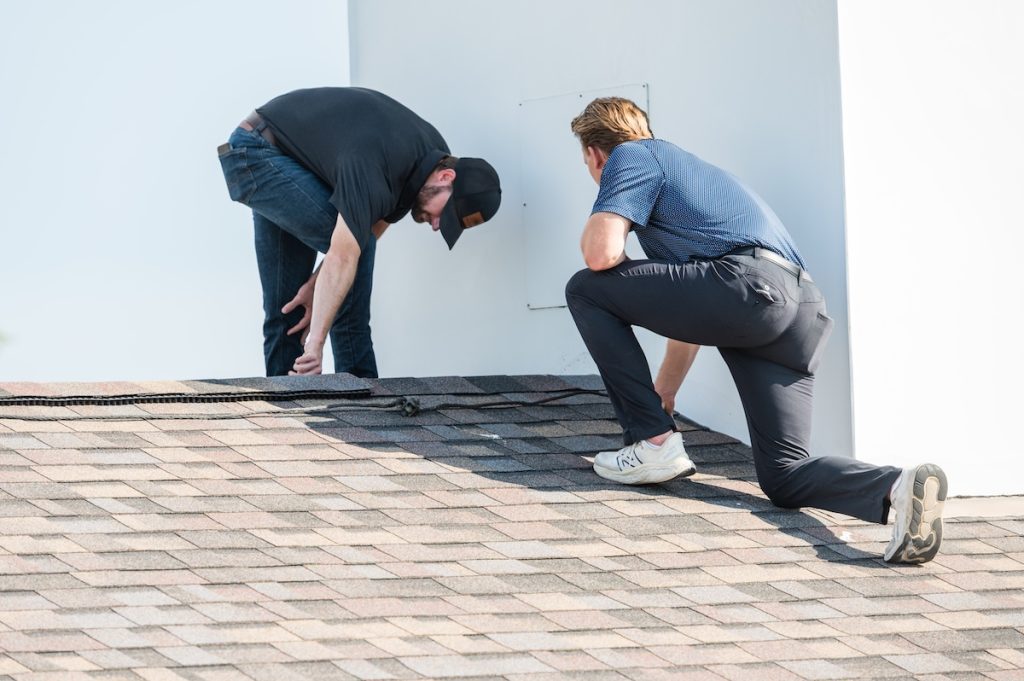
A trained eye can identify damage that is easy to miss from the ground, which is why a full inspection typically happens before a claim moves forward. This step establishes an accurate scope of the damage rather than relying on a rough guess.
4. Filing the Insurance Claim
Once damage is documented, contacting your insurance provider promptly starts the formal claims process. Most policies have reporting windows worth understanding ahead of time, so acting quickly matters more than people expect.
5. Meeting the Adjuster
An insurance adjuster will typically visit the property to assess the damage and determine what the policy will cover. Having an experienced contractor present during this visit can help ensure nothing gets overlooked in the assessment.
6. Completing the Repair or Replacement
Once the scope and coverage are settled, the actual repair or replacement work begins, ideally guided by clear communication about timeline and materials throughout the project.
Walking through these six stages in order helps explain why storm restoration can feel slow at times even when everyone involved is moving efficiently. Skipping ahead, especially on documentation, is one of the most common reasons claims end up delayed or underpaid, so resisting the urge to rush straight to repairs is usually worth the patience.
What “Not a Public Adjuster” Actually Means
Homeowners often assume a roofing contractor and an insurance adjuster play the same role in the claims process, but the two positions are actually quite different. Understanding this distinction helps set realistic expectations for what each party brings to your recovery.
What a Roofing Contractor Can Do
A knowledgeable contractor can provide an accurate assessment of the physical damage, repair scope, and realistic costs, and can often meet with your adjuster to make sure nothing is missed during the inspection.
What Only a Public Adjuster Can Do
A public adjuster is licensed specifically to negotiate directly with insurance companies on a homeowner’s behalf regarding claim value, which is a distinct legal role that most roofing contractors do not hold.
Why Having Both Perspectives Helps
Having a contractor who understands the technical side of the damage, working alongside the insurance process, gives homeowners a clearer picture than trying to navigate either side alone.
Being upfront about this distinction is part of what makes a restoration process trustworthy from the very beginning. A contractor who is honest about the limits of their role is generally a better sign than one who claims to handle every part of your insurance negotiation, since overpromising in this area is a common red flag worth watching for.
Watching for Hidden Damage and Supplemental Claims
Not every issue caused by a storm shows up during the initial inspection, and this is one of the more overlooked parts of the entire restoration process. Understanding this possibility ahead of time can prevent frustration if additional damage surfaces later.
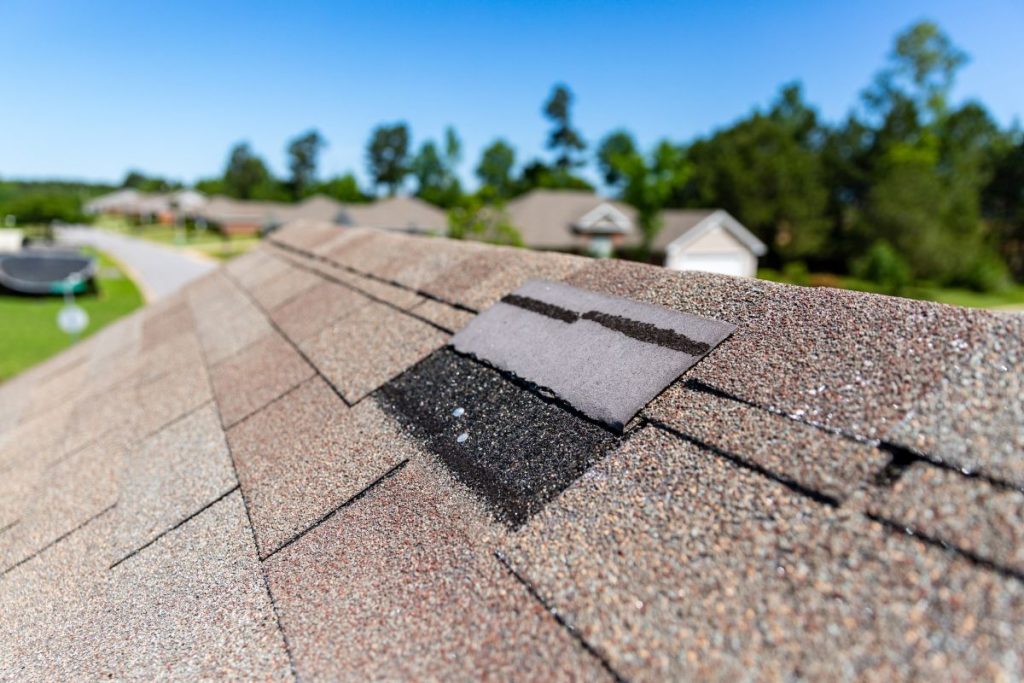
- Hidden Structural Issues: Damage behind walls or under decking sometimes only becomes visible once repair work actually begins.
- Supplemental Claims: Many insurance policies allow for an additional claim to be filed if new damage is discovered mid project.
- Delayed Symptoms: Water damage in particular can take days or weeks to fully show up as staining or soft spots.
- Documentation Still Matters: Keeping photos and records throughout the repair process protects you if a supplemental claim becomes necessary.
Knowing that supplemental claims are a normal, recognized part of the process can save you from unnecessary stress if your contractor finds something unexpected once work is underway. A trustworthy team will flag these issues clearly rather than quietly absorbing or ignoring them, and will help you document the additional damage so it can be properly included in your coverage.
Frequently Asked Questions About the Storm Restoration Process
Going through storm restoration for the first time raises plenty of practical questions. Here are the ones we hear most often from homeowners in Waukee and surrounding areas.
How Long Does Storm Restoration Typically Take?
Timelines vary widely depending on the extent of damage and insurance approval speed, but many roofing focused projects are completed within a few weeks once the claim is fully settled.
Do I Have to Use the Contractor My Insurance Company Recommends?
No. Homeowners generally have the full right to choose their own licensed contractor rather than one suggested by the insurance company.
What If I Notice More Damage After Repairs Have Started?
This is exactly what a supplemental claim is designed for, and a reputable contractor should help document and report it rather than absorbing the cost quietly.
Can I Start Repairs Before My Claim Is Approved?
Temporary protective measures like tarping are generally fine, but permanent repairs are usually best held off until the claim process has moved further along.
How Do I Know If a Contractor Is Trustworthy During This Process?
Look for clear communication, verifiable credentials, and honesty about what they can and cannot do regarding your insurance claim specifically.
If you still have questions about your specific situation, a conversation with a local restoration professional can help clarify next steps before you commit to anything.
Get Guidance Through Every Step of Storm Recovery
Storm restoration can feel overwhelming when you are dealing with damage, paperwork, and unfamiliar terminology all at once, but a clear process makes it far more manageable. First Fruits Construction has walked homeowners across Waukee and surrounding areas through exactly this process, providing honest assessments and staying involved from the first inspection through the final repair. Our team focuses on clear communication at every stage, so you always know what is happening and why. If a recent storm has left you unsure where to start, contact us today and let’s walk through the restoration process together, from start to finish.
Discover Better Roofing Today!
"*" indicates required fields
"Whatever you do, work at it with all your heart"
Colossians 3:23