
Category
How Much Does It Cost To Replace Your Roof in 2026?
9 minute Read

Posted 9.10.26

A new roof is one of the biggest investments a homeowner will make, and it is natural to want a clear roof replacement estimate before committing to the project. The truth is that the cost to replace your roof depends on several factors that vary from house to house, which is why national averages only tell part of the story. Understanding those factors ahead of time, including your home’s location and the condition of your existing roof, makes it much easier to plan a budget and avoid surprises once a professional gets a closer look at your home. This guide breaks down what actually drives roof installation pricing in 2026, so you can walk into the process with realistic expectations about the actual cost involved.
What you’ll learn in this guide:
- What the average roof replacement costs nationwide in 2026
- The main factors that make one roofing project more expensive than another
- How different roofing materials compare on cost and lifespan
- What is typically included in a full roof replacement
- Signs that your existing roofing material may need to be replaced
- How to plan ahead so the final bill does not catch you off guard

Why Roof Replacement Cost Matters
Most homeowners only replace a roof once or twice in the time they own a home, so there is rarely a built in sense of what a fair price should look like. Roof replacement costs across the country range widely, from around $5,800 on the low end to well over $30,000 for larger or more complex projects, and most homeowners land somewhere between $9,000 and $18,000 for a standard asphalt shingle roof. Knowing what drives that range helps you avoid overpaying and gives you a way to evaluate whether a quote makes sense for your specific home. Visible damage like curling or cracking shingles, along with water leaks showing up in the attic, are common signs a full roof replacement is needed rather than a simple repair.
- Budget Planning: Understanding typical price ranges helps you set realistic expectations before requesting quotes.
- Smarter Comparisons: Knowing which factors affect cost makes it easier to compare estimates from different roofers.
- Long Term Value: Balancing upfront cost against material lifespan can save money over the life of the roof.
- Avoiding Surprises: Knowing what is typically included in a quote helps you spot hidden fees or missing line items.
Skipping this research often leads homeowners to choose based on price alone, which can mean settling for lower quality materials or an incomplete scope of work. Getting multiple quotes and comparing the overall cost against what each roofing company actually includes leads to a much smoother experience once the project begins, and it also makes conversations with contractors far more productive since you already know which questions to ask.
5 Factors That Determine Your Roof Replacement Cost
Roof replacement pricing is not one fixed number, since several variables combine to shape the final quote. The factors below explain why two homes of a similar size can still end up with very different price tags once the project is complete.
1. Roof Size
The larger your roof’s square footage, the more materials and labor are required, which makes size one of the biggest cost drivers. Roofing is typically priced by the roofing square, meaning 100 square feet of roof surface, with materials generally running from about $4 to $11 per square foot depending on the product chosen.
- A single story roof with 1,500 square feet often falls between $6,000 and $16,500
- A 2,500 square foot roof often falls between $10,000 and $27,500
- More square footage, and multi-story homes in particular, naturally push costs toward the higher end
2. Roofing Material
Material choice has one of the largest impacts on total price, since options range from an affordable roofing material to premium products. Asphalt shingles, including architectural shingles, remain the most common and affordable choice for most homes, largely because they balance a reasonable upfront cost with straightforward installation and are naturally fire resistant. Metal, wood, and tile all come with higher price points but longer expected lifespans, which can make them a better long term value even though the initial bill is larger. If your existing roofing material is still in decent shape, a partial roof replacement of just the damaged section may also be worth discussing with your contractor instead of replacing the entire roof.
- Asphalt shingles offer the lowest upfront cost and widest availability, typically $3 to $6 per square foot
- Metal roofing costs more, often $10,245 to $41,640 for a full replacement, but can last two to three times as long
- Clay tiles and slate sit at the premium end, often lasting a century or more
3. Roof Pitch and Complexity
A steep or complex roof takes longer to install safely and often requires additional equipment, harnesses, and staging, which increases labor costs. Roofs with multiple valleys, dormers, chimneys, skylights, or other vulnerable areas typically cost more than a simple, low slope design of the same size, since crews need extra time to work around each feature correctly. A roof with a straightforward, single slope design is generally the fastest and most affordable to replace, all else being equal.
4. Labor and Location
Labor typically makes up close to half of the total project cost, and rates vary depending on your home’s location and how in demand local roofers are. Roofers typically charge $40 to $90 per hour per worker, and labor can take longer on two-story homes since crews need more time to move materials and stage equipment safely. Homeowners in Cedar Falls and surrounding areas may see slightly different pricing than the national average based on regional labor rates and material availability.
5. Tear-Off and Prep Work
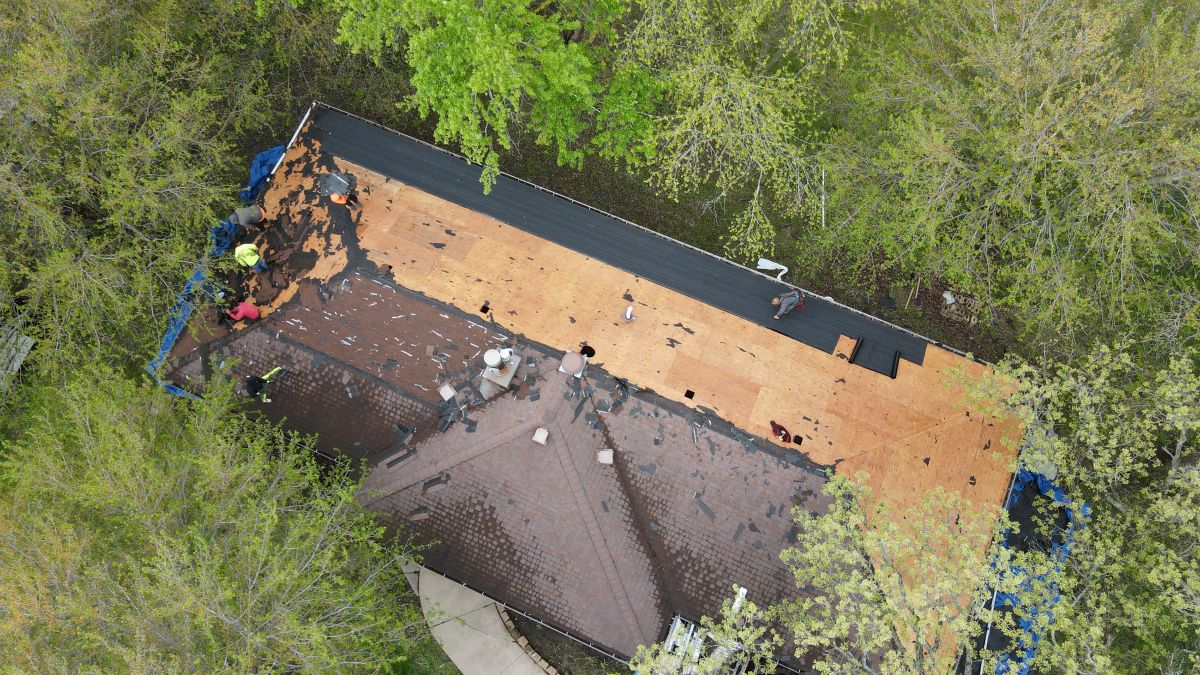
Removing an old roof before installing a new one adds both time and cost, especially if multiple layers of old shingles need to come off, generally running $0.40 to $2.00 per square foot for roof removal alone. Additional prep work like replacing damaged roof deck sections, which typically costs $2.20 to $3.00 per square foot, upgrading ventilation, or replacing valley flashing and metal drip edge can also add to the final total. Budgeting some flexibility for hidden structural damage that only becomes visible once the old shingles come off can help prevent cost overruns partway through the job.
Each of these factors interacts with the others, which is part of why two seemingly similar roof replacement quotes can look so different on paper. A detailed, in person inspection is really the only way to know which of these factors apply to your specific home, since photos or a quick drive by rarely capture pitch, layering, or decking condition accurately.

What Is Actually Included in a Full Roof Replacement
A roof replacement quote should cover far more than just shingles and nails, and understanding what belongs in that scope helps you evaluate whether a bid is complete or missing key items. Comparing contractor bids should always involve a specific breakdown of roofing system components, and contractor credentials should include active licensing and proper insurance before you sign anything. Contractors who skip steps to offer a lower price often end up costing homeowners more down the line through premature repairs or voided warranties.
- Tear-Off and Disposal: Removing the old roofing material and hauling away the debris, often using a dump truck for larger jobs.
- Deck Inspection and Repair: Checking the wood structure underneath for rot or damage before new material goes down.
- Underlayment and Flashing: Installing synthetic underlayment, which many building codes now require, along with valley flashing and metal drip edge to keep water out at seams and edges.
- New Shingles or Roofing Material: Installing the new shingles, metal panels, or tile you have chosen for the project, along with checking nearby gutters and chimneys for related damage.
- Warranty Coverage: Manufacturer and workmanship warranties that protect your investment long after installation.
A quote that leaves out any of these items may look cheaper on the surface, but it can create bigger problems later if a step gets skipped. Most full roof replacements take about three to four days from tear-off to final cleanup, and asking a contractor to walk through each part of the scope in plain terms is one of the simplest ways to protect yourself before signing anything.
Comparing Roofing Materials by Cost and Lifespan
Material choice is one of the biggest variables in any roof replacement, and it is worth looking at a general breakdown of cost alongside expected lifespan rather than price alone. A cheaper material that needs replacing again in fifteen years is not always the better deal compared to a pricier option that lasts several decades, especially if you plan to stay in your home long term.
| Material | Cost Per Square Foot | Typical Lifespan |
| Asphalt shingles | $3 to $6 | 10 to 20 years |
| Wood shakes | $6.47 to $9.12 | 30 to 50 years |
| Metal roofing | $6 to $24.50 | 40 to 70 years |
| Clay or concrete tile | $6.30 to $15.25 | 50 to 100 years |
| Slate | $10 to $30 | Up to 150 years with proper maintenance |
Choosing between these options often comes down to how long you plan to stay in your home and how much you are willing to spend upfront for lower long term maintenance. If you plan to stay in your home for decades, a higher upfront cost on a longer lasting material can actually save money over time by avoiding a second entire roof replacement. Homeowners across Cedar Falls and surrounding areas frequently weigh asphalt against metal roofing in particular, since both offer solid performance at different price points and lifespans, making the decision less about which is objectively better and more about which fits your timeline and budget.

Plan Ahead Before You Replace Your Roof
Roof replacement is a major expense, but understanding the numbers ahead of time turns a stressful decision into a manageable one. Knowing what drives cost, what should be included in a quote, and how materials compare gives you the information needed to make a confident choice rather than guessing at what a fair price looks like.
At First Fruits Construction, we believe every homeowner deserves a clear, honest breakdown of their roof replacement options before making a decision. As a roofing company that provides full property inspections and upfront pricing, we walk you through the materials, scope, and cost involved so nothing feels like a surprise later. If you are weighing whether your roof needs to be replaced, our roofers are ready to help homeowners throughout Cedar Falls and surrounding areas get clear answers. Contact us today to schedule your inspection and get a real number to work with.
Discover Better Roofing Today!
"*" indicates required fields
"Whatever you do, work at it with all your heart"
Colossians 3:23