

Category
How Iowa’s Storm Season Compares to the Rest of the Country (And What It Means for Your Roof)
9 minute Read

Posted 9.10.26

If you have lived in Iowa for any length of time, you already know severe weather is part of life here. But Iowa storm damage actually stacks up differently than what homeowners in most other states experience, both in frequency and in the type of storms that roll through. Understanding how Iowa compares to the national picture helps explain why so many homes here end up needing a closer look at their roof more often than homes in calmer climates. This guide breaks down exactly how Iowa’s storm season stands out and what that means for protecting your home.
What you’ll learn in this guide:
- How Iowa’s tornado frequency compares to the rest of the country
- Why hail is such a persistent issue for Iowa homeowners
- What makes derechos a uniquely Midwest threat
- How Iowa’s storm season timing compares nationally
- What steps to take to protect your roof before and after severe weather

Why Iowa’s Storm Season Deserves Extra Attention
Iowa sits in a part of the country where warm, moist air from the Gulf of Mexico regularly collides with cooler, drier air moving down from the north, and that collision is exactly what fuels severe storms, hail, and tornadoes. This geography means Iowa homeowners deal with a higher baseline level of storm risk than homeowners in most other parts of the country, even in years that feel relatively calm. According to the National Weather Service and NOAA’s disaster records, Iowa saw 86 confirmed weather and climate disasters between 1980 and 2024 with losses exceeding a billion dollars each, and 57 of those were severe storm events specifically. Recognizing that pattern early helps you plan for maintenance and repairs instead of being caught off guard.
- Higher Storm Frequency: Iowa consistently ranks among the top ten states for tornado activity nationwide.
- Frequent Hail Events: Iowa averages well over a hundred hail events every year, more than most states in the country.
- Unique Regional Threats: Iowa is one of the few states regularly affected by derechos, a fast moving and highly destructive storm type.
- Compounding Damage: Repeated storm seasons mean roofs, gutters, and electric service lines often take multiple hits over their lifespan rather than just one major event.
Understanding these patterns is not about causing worry, it is about being realistic regarding how often Iowa homes are exposed to severe weather. Homeowners across Ankeny and surrounding areas who understand this risk tend to catch roof damage earlier, which usually means simpler and less expensive repairs.
4 Ways Iowa’s Storm Season Differs From the Rest of the Country
Iowa’s severe weather does not just happen more often, it also shows up in a few specific forms that are less common elsewhere in the country. Breaking these down individually makes it easier to understand why local roofs face a different set of challenges than homes in other regions.
1. Tornado Frequency
Iowa consistently ranks among the top ten states for tornado frequency, with some recent data placing it around eighth nationally and averaging in the range of 46 to 53 tornadoes each year. Iowa’s position in the central Plains puts it directly in the path where warm Gulf air and cooler northern air masses regularly clash, creating ideal conditions for tornado development. Iowa has also historically ranked among the top states for the strongest tornadoes ever recorded, with dozens of EF4 or stronger tornadoes documented across the state over the past several decades.
- Tornado activity in Iowa typically peaks from May through July
- Iowa has recorded long track tornadoes that travel more than 25 miles
- Some years bring historic single day totals, including 63 tornadoes recorded across the state in one day during a December 2021 derecho
2. Hail Frequency and Size
Hail is one of the most consistent sources of roof damage in Iowa, with the state averaging around 177 hail events per year, a noticeably higher number than most states in the country. Iowa has also seen individual storms produce hailstones between 3 and 4 inches in diameter, which is large enough to cause serious damage to shingles, siding, and gutters in a matter of minutes. For homeowners in Ankeny and surrounding areas, this steady drumbeat of hail activity means roofs are rarely more than a season or two away from another storm worth checking on.
- Hail events in Iowa can occur across nearly any month of the storm season
- Even hail under two inches in diameter can bruise or crack asphalt shingles
- Repeated smaller hail events can add up to the same wear as one larger storm
3. Derecho Risk
A derecho is a widespread, fast moving windstorm associated with a line of severe thunderstorms, and Iowa is one of the states most likely to experience one. The August 2020 Midwest derecho produced wind gusts as high as 140 mph near Cedar Rapids, Iowa, and caused an estimated 11 billion dollars in damage nationally, making it the costliest thunderstorm event on record. A second historic derecho struck Iowa again in December 2021, an unusual time of year for this type of storm, causing damage costs that exceeded 1 billion dollars. Unlike a tornado, which usually affects a narrow path, a derecho can flatten roofs, trees, and power lines across an entire region in a single pass.
4. Storm Season Timing
While many parts of the country see severe weather concentrated in a fairly predictable window, Iowa’s storm season can stretch further than expected. Spring and summer remain the most active months, but the 2021 December derecho showed that damaging storms are not strictly limited to the traditional season, which is part of what makes planning ahead so important for homeowners here.
Taken together, these four factors help explain why Iowa homes tend to experience more frequent and more varied storm exposure than homes in many other states. Recognizing which type of storm caused the damage also helps homeowners and contractors know exactly what to inspect once the weather clears.

What Makes Iowa’s Major Storms Different
Beyond frequency, the sheer scale of some of Iowa’s most significant storms sets the state apart from much of the country. A few events in particular illustrate just how quickly a single storm can affect an enormous area and leave lasting damage behind.
The 2020 Derecho
The August 2020 derecho tracked more than 770 miles in just 14 hours, moving from South Dakota through Iowa and into Ohio. Cedar Rapids sat at the center of the worst damage, with wind speeds strong enough to flatten crops, snap trees, and tear off roofing across entire neighborhoods.
The 2021 December Derecho
This storm broke records simply by happening when it did, since December derechos are exceptionally rare in the United States. It produced the most tornadoes ever recorded in Iowa in a single day and left behind damage costs exceeding 1 billion dollars, proving that Iowa’s severe weather season does not always follow the calendar.
The 2024 Greenfield Tornado
In May 2024, a tornado outbreak swept through southwest Iowa and produced an EF4 tornado that tore through the town of Greenfield with peak winds near 185 mph. The National Weather Service confirmed the tornado stayed on the ground for more than 40 miles, heavily damaged or destroyed over 150 homes, and prompted an immediate search-and-rescue response from local and state emergency crews. It stood as one of the strongest tornadoes recorded in the country that year and remains one of the clearest examples of how severe a single Iowa storm can become.
These events show that Iowa’s storm risk is not limited to a short window each spring, nor to just one type of severe weather. Homeowners who assume the danger has passed once summer ends may be caught off guard by storms that arrive well outside the expected season.
Iowa Storm Risk at a Glance
Comparing a few key numbers side by side helps put Iowa’s storm exposure into perspective against the national picture. While every state deals with some form of severe weather, the combination of factors below is part of what makes Iowa’s risk profile stand out.
| Factor | Iowa | National Context |
| Tornadoes per year | 46 to 53 average | Ranks around 6th to 8th nationally |
| Hail events per year | About 177 average | Well above the national average |
| Notable derecho | 2020 event, 140 mph gusts | Costliest thunderstorm event on record |
| Off season storms | December 2021 derecho | Extremely rare nationally |
| Billion dollar disasters, 1980 to 2024 | 86 confirmed events | 57 were severe storm events alone |
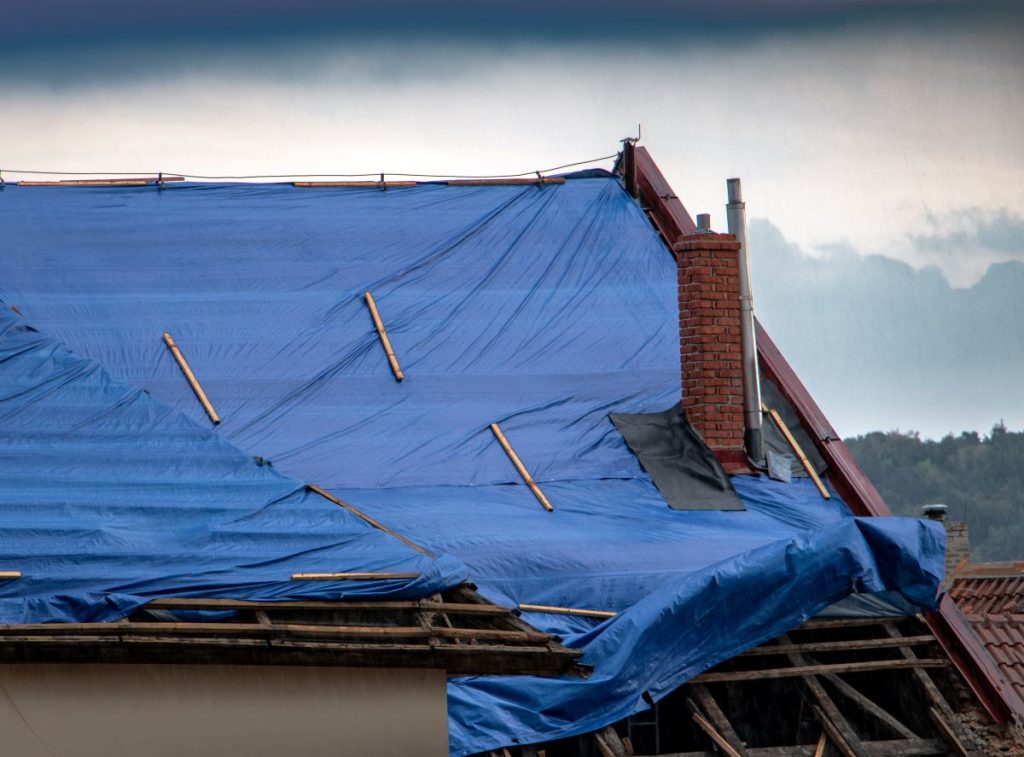
These numbers make it clear that Iowa is not just an average state when it comes to severe weather, it experiences a combination of frequency and intensity that few other states see in the same year. As recently as June 2026, a line of strong storms moved across northern Missouri, Iowa, Kansas, and Illinois in a single event, with the National Weather Service fielding more than a dozen tornado reports and downed poles and utility wires leaving hundreds of thousands of customers across the Midwest without electric service. For homeowners in Ankeny and surrounding areas, that combination is exactly why regular roof maintenance and prompt inspections after storms matter so much, rather than waiting until a leak or missing shingles force the issue.
Protect Your Roof Through Every Iowa Storm Season
Iowa’s storm season is more frequent, more varied, and in some cases more extreme than what homeowners in many other states experience, which makes proactive roof care especially important here. Waiting until a leak shows up inside your home often means the damage has already been building for months, sometimes going back to a strong storm you may not even remember clearly, whether it knocked down utility wires in your neighborhood or just left a few cracked shingles behind.
At First Fruits Construction, we understand what Iowa’s weather puts homes through because we see the aftermath firsthand, from Des Moines to communities across southwest Iowa. Our team provides full property inspections, honest assessments, and upfront pricing so you always know exactly where your roof stands after a storm. Whether it was a fast moving hailstorm, high winds, or a full blown derecho, our team is ready to help homeowners throughout Ankeny and surrounding areas get their roof properly checked and repaired. Contact us today to schedule an inspection and protect your home before the next storm season arrives.

Discover Better Roofing Today!
"*" indicates required fields
"Whatever you do, work at it with all your heart"
Colossians 3:23