
Category
Gutter Installation: What Iowa Homeowners Should Know Before Getting a Quote
8 minute Read

Posted 9.10.26

A home’s gutters do more work than most people realize, quietly channeling thousands of gallons of water away from the roof, siding, and foundation every year. Picking up a few practical gutter installation tips before you request a quote can help you avoid costly surprises and make sure you are comparing apples to apples between contractors. For homeowners in Pleasant Hill and surrounding areas, understanding what actually goes into a proper installation matters just as much as the price on the estimate, which is why it helps to know what a team that handles exterior water management every day actually looks for before the work begins.
A few things worth knowing before your first quote:
- Why proper slope and sizing matter more than looks
- The real differences between seamless and sectional systems
- Questions worth asking before you sign anything

What Poor Gutter Installation Really Costs You
Gutters are one of those systems homeowners rarely think about until something goes wrong, and by then the damage is often already done. A poorly installed system can undo the benefit of even the best materials, so understanding what is at stake helps you take the decision more seriously.
- Foundation Protection: Properly sloped gutters carry water away from the base of your home instead of letting it pool and seep into the foundation.
- Landscape Preservation: Well placed downspouts keep heavy rainfall from eroding flower beds, mulch, and turf near your house.
- Basement Dryness: Correctly installed gutters reduce the chances of water finding its way into a basement or crawl space.
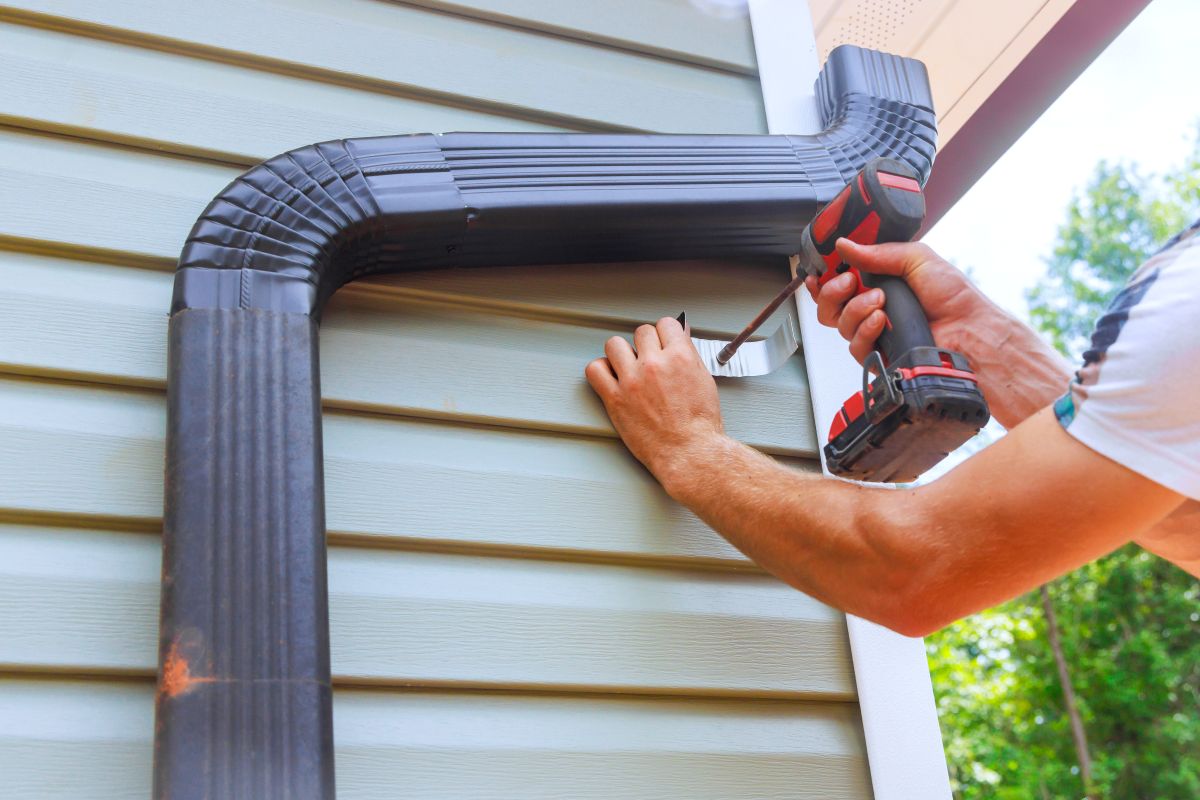
- Roof Longevity: A system that drains properly helps prevent water from backing up under shingles, which is part of why understanding how gutters and downspouts actually work is worth a few minutes of your time.
Skipping this research step is one of the most common reasons homeowners end up replacing a gutter system years earlier than expected. A small amount of upfront knowledge can save you from a much larger repair bill down the road.
5 Things to Know Before You Get a Gutter Quote
Getting multiple gutter quotes can feel overwhelming when every contractor seems to describe the job a little differently. Knowing what actually goes into a proper installation helps you tell a thorough quote from a rushed one.
1. Measure Your Roofline Correctly First
Before any materials are ordered, an installer should measure your home’s full roofline, not just estimate it from the ground. Accurate measurements determine how much material is needed and where seams or joints will fall.
- Roof pitch and length affect how much water the system needs to handle
- Corners and valleys often require extra attention during measurement
- Incorrect measurements are a common source of mid-project delays
2. Choose the Right Gutter Size and Style
Most homes use five inch K-style gutters, though six inch versions are increasingly common on larger rooflines that handle more water volume. The style you choose should match both your home’s architecture and the amount of rainfall your roof typically sheds.
3. Plan for Proper Slope and Downspout Placement
Gutters need a gentle, consistent slope toward each downspout, generally in the range of a quarter inch of drop for every ten feet of run. Downspouts are typically spaced every 30 to 40 feet and should carry water at least several feet away from the foundation.
- Too little slope causes standing water and premature rust or sagging
- Too much slope can look uneven from the street
- Downspout placement should avoid walkways, patios, and garden beds
4. Ask About Seamless vs Sectional Options
Seamless gutters are formed on site to match your exact roofline, while sectional gutters are assembled from pre-cut pieces joined together. Fewer seams generally means fewer potential leak points over the life of the system.
5. Factor In Gutter Guards and Maintenance
Gutter guards can reduce how often you need to clear out leaves and debris, but they are not a substitute for occasional inspections. A qualified installer should be able to explain which guard style, whether foam inserts, mesh screens, or reverse curve covers, fits your property best.
Taking the time to understand these five factors before you request a quote puts you in a much stronger position to evaluate what each contractor is actually proposing. It also makes it easier to spot a quote that is cutting corners on materials or labor.
Gutter Materials and Styles Worth Knowing
Not all gutters are created equal, and the material behind the finish plays a bigger role in performance than most homeowners expect. Understanding the basic categories makes it easier to have an informed conversation with your installer.
Aluminum, Steel, and Copper
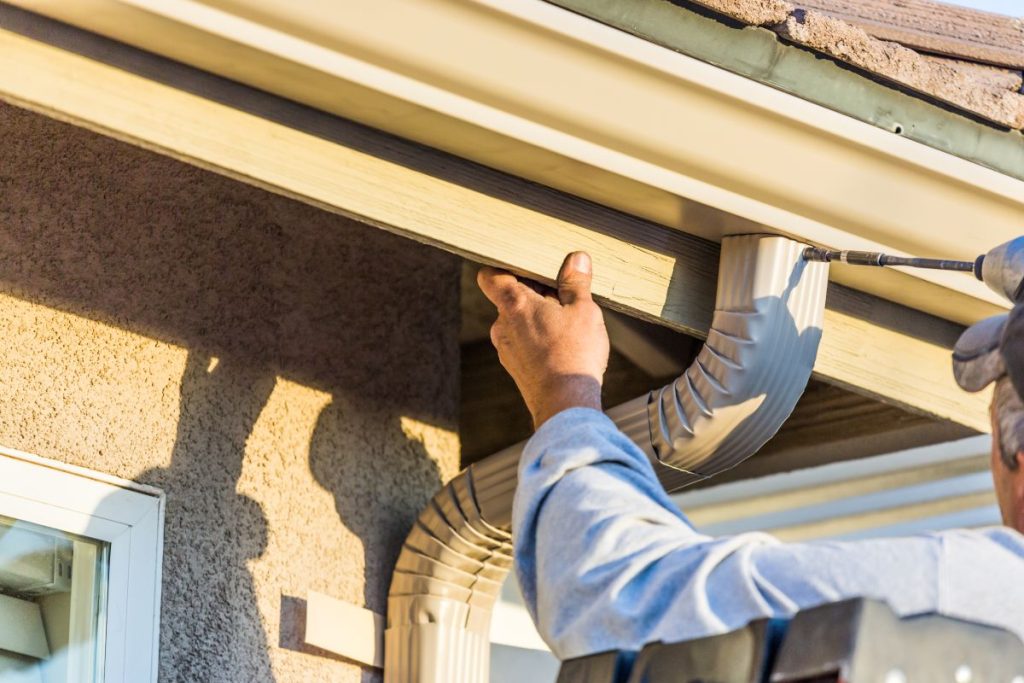
Aluminum is the most common gutter material because it resists rust, is lightweight, and holds up well across Iowa’s temperature swings. Steel gutters offer added strength for areas with heavy snow load, while copper is prized for its appearance and longevity, though it comes at a significantly higher price point.
K-Style vs Half Round
K-style gutters have a flat back and a decorative front profile that resembles crown molding, and they are the standard choice on most modern homes. Half round gutters have a smoother, curved shape that is often chosen for historic or higher end properties where appearance is a priority.
Choosing the right combination of material and style ultimately comes down to your home’s architecture, your local climate exposure, and your long term maintenance preferences. A knowledgeable installer should be able to walk you through these tradeoffs rather than simply defaulting to whatever is easiest to install.
DIY vs Professional Gutter Installation
Some homeowners consider installing gutters themselves to save money, and for a very small, simple roofline that can occasionally work out fine. For most homes, though, the tradeoffs are worth understanding before picking up a ladder.
The Case for DIY
A straightforward, single story home with an uncomplicated roofline can sometimes be a reasonable DIY project for a homeowner comfortable with ladder work and basic tools. Even then, getting the slope and hanger spacing right is easy to underestimate.
The Case for Professional Installation
Multi-story homes, steep rooflines, or properties with several valleys and corners benefit significantly from professional measurement and installation. A professional crew also carries the right safety equipment and typically backs the work with a labor warranty, which matters if something needs adjustment down the road.
Most homeowners land somewhere in the middle, comfortable handling gutter cleaning themselves while leaving the actual installation to a professional crew. That balance tends to protect the investment without requiring a large amount of hands-on time throughout the year.

Frequently Asked Questions About Gutter Installation Tips
Choosing a new gutter system brings up plenty of practical questions, especially for first time homeowners. Here are the ones we hear most often from homeowners in Pleasant Hill and surrounding areas.
How Long Does Gutter Installation Typically Take?
Most standard residential gutter installations can be completed in a single day, though larger or more complex rooflines may take longer.
How Often Should Gutters Be Cleaned?
Most homes benefit from having gutters cleaned at least twice a year, typically in spring and fall, with more frequent cleaning near overhanging trees.
Are Seamless Gutters Worth the Extra Cost?
For most homeowners, yes. Fewer seams generally means fewer opportunities for leaks to develop over time, which can reduce maintenance needs and extend the life of the system.
Can New Gutters Be Installed Over an Old Roof?
Gutters are attached to the fascia board rather than the roof itself, so in most cases they can be installed or replaced without affecting roofing work, as long as the fascia is in good condition.
Do Gutter Guards Eliminate the Need for Cleaning?
Not entirely. Gutter guards reduce debris buildup significantly, but occasional inspections are still recommended to catch any issues before they become bigger problems.
If you are still weighing your options, a conversation with a local installer can help you match the right system to your home and your budget.
Get a Gutter Quote You Can Actually Trust
Gutters may not be the most exciting part of a home, but getting the installation right protects everything from your foundation to your landscaping for years to come. First Fruits Construction has helped homeowners across Pleasant Hill and surrounding areas choose the right materials, sizing, and slope for their specific property, so the system actually performs the way it should. Whether you are dealing with an aging system or planning ahead for a new build, our team is ready to walk you through your options honestly, without any pressure to upgrade beyond what your home actually needs. If you would like an expert opinion before comparing quotes, contact us today and let’s make sure your next gutter system is built to last.
Discover Better Roofing Today!
"*" indicates required fields
"Whatever you do, work at it with all your heart"
Colossians 3:23