

Category
Energy Efficient Windows: What Iowa Homeowners Should Know Before Replacing
8 minute Read

Posted 9.10.26

Iowa’s climate asks a lot from a home’s windows, swinging from bitter winter cold to humid summer heat within the same calendar year. Choosing energy efficient windows the right way can meaningfully lower utility bills and improve comfort in every season, but only if you understand what actually makes one window more efficient than another. For homeowners in Knoxville and surrounding areas planning a window project, it helps to work with a team that fits window performance to Iowa’s specific climate rather than a generic national average before making a final decision.
A quick look at what this guide covers:
- The specific features that actually make a window energy efficient
- What Iowa’s climate zone means for the ratings you should look for
- How frame material affects thermal performance over time
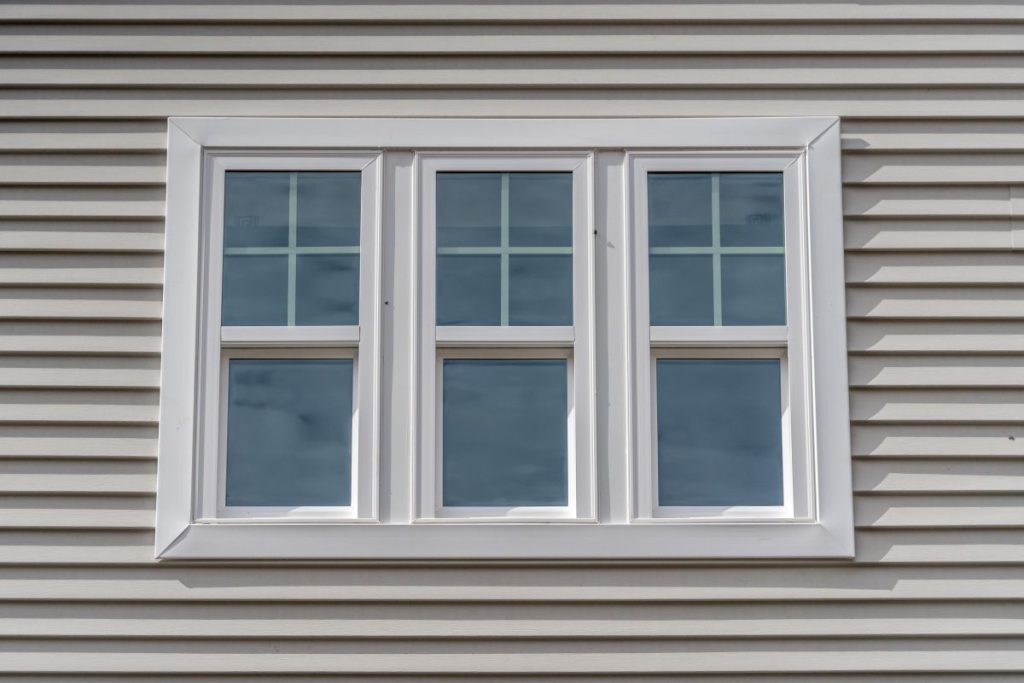
What a Smarter Window Choice Actually Saves You
Windows are one of the biggest sources of energy loss in an older home, and upgrading to a genuinely efficient product changes more than just your utility bill. Understanding the real benefits helps justify the investment beyond a vague sense that newer must be better.
- Lower Energy Bills: Reducing heat loss in winter and heat gain in summer directly lowers how hard your HVAC system has to work.
- Year Round Comfort: Efficient windows reduce drafts near the glass and even out temperature differences between rooms.
- Less HVAC Strain: A system that is not fighting constant heat transfer through old windows typically lasts longer and needs fewer repairs.
- Reduced Condensation: Better insulated glass is less prone to the interior condensation that leads to mold and wood rot over time.
According to the federal program that independently tests and certifies window performance, the right window depends heavily on your specific climate zone rather than a single national standard. Understanding this distinction is the first step before comparing specific products or ratings.
4 Features That Actually Make a Window Energy Efficient
Not every window marketed as energy efficient performs the same way once installed in an actual Iowa winter. A handful of specific technical features are what genuinely separate a high performing window from one that simply looks similar on the shelf.
1. Low U-Factor Rating
U-factor measures how well a window resists heat loss, and lower numbers mean better insulation against Iowa’s cold winters. Current guidance for the northern climate zone recommends a U-factor at or below 0.22 for meaningful winter performance.
2. Balanced Solar Heat Gain Coefficient
Solar heat gain coefficient, or SHGC, measures how much of the sun’s heat passes through the glass. Iowa’s mixed climate often calls for a moderate SHGC, since a very low number blocks helpful winter sun while a very high number lets in too much unwanted summer heat.
- South facing windows may benefit from a slightly different SHGC than north facing ones
- Shaded windows behind mature trees have different needs than sun exposed ones
- A knowledgeable installer can help balance these ratings room by room
3. Low-E Coatings
Low emissivity, or Low-E, coatings are a microscopically thin layer applied to the glass that reflects infrared heat while still allowing visible light through. This coating plays a major role in both winter heat retention and summer heat rejection.
4. Multiple Panes and Gas Fills
Double pane windows are now the standard baseline, while triple pane options add another layer of insulation for homeowners prioritizing maximum efficiency. Many efficient windows also fill the space between panes with argon or krypton gas, which insulates better than ordinary air.
Understanding these four features gives you a real framework for comparing window options beyond marketing language alone. A window that checks all four boxes is a genuinely different product than one relying on a single efficiency feature to carry the whole listing, and asking an installer to walk through each one before you buy is a reasonable expectation rather than an inconvenience.

Understanding Iowa’s Climate Zone Requirements
Energy efficiency certifications are not one size fits all, and the same window rated as efficient in one part of the country might be a poor match for Iowa’s specific weather patterns. Knowing how these zone based standards work helps you avoid buying a window tuned for the wrong climate.
What the Northern Climate Zone Means
Iowa falls within the Northern climate zone under the federal ENERGY STAR program, a category defined by cold winters where retaining indoor heat is the top priority. Windows certified for warmer zones are typically optimized for the opposite priority and may underperform here.
Reading the NFRC Label
Every certified window carries a National Fenestration Rating Council label listing its U-factor, SHGC, and other performance details in one place. Learning to read this label takes the guesswork out of comparing two seemingly similar products.
Why Regional Certification Matters
A window certified specifically for the northern zone has been tested against the same kind of cold weather performance Iowa homes actually experience, rather than a broader national average that may not reflect local conditions.
Paying attention to climate zone specific certification, rather than assuming any ENERGY STAR label automatically fits your home, can meaningfully change how much a new window actually saves you. It is one of the most overlooked details in the entire replacement process, and it is worth asking about directly rather than assuming every certified product on a showroom floor is tuned for Iowa winters.
Frame Material and Thermal Performance
The glass gets most of the attention in efficiency conversations, but frame material plays a real role in how well a window actually performs over time. Comparing the common options side by side makes the tradeoffs easier to see.
| Frame Material | Thermal Performance | Best Suited For |
| Vinyl | Strong insulator, budget friendly | Most standard residential replacements |
| Fiberglass | Excellent insulator, very stable in temperature swings | Homes prioritizing long term efficiency |
| Wood | Good natural insulator, requires more upkeep | Historic or classic style homes |
| Aluminum | Conducts heat and cold easily unless thermally broken | Milder climates or commercial applications |
Frame material alone will not make or break an energy efficient window, but pairing a strong glass package with a poorly performing frame can undercut a lot of the benefit you paid for. A knowledgeable installer should be able to explain how your chosen frame and glass package work together as one system, rather than selling each component in isolation.
Frequently Asked Questions About Energy Efficient Windows
Choosing new windows brings up plenty of technical questions, especially once U-factors and SHGC ratings enter the conversation. Here are the ones we hear most often from homeowners in Knoxville and surrounding areas.
How Much Can Energy Efficient Windows Actually Save?
Savings vary by home, but replacing old single pane windows with certified efficient options can meaningfully reduce heating and cooling costs, with some national estimates showing double digit percentage savings on the energy used for heating and cooling specifically.
Is Triple Pane Glass Worth the Extra Cost in Iowa?
For homeowners prioritizing maximum winter performance, triple pane glass can be worth the added cost, though double pane with a strong Low-E coating and gas fill often delivers most of the benefit at a noticeably lower price point.
Does Frame Material Really Affect Energy Efficiency?
Yes. A high performing glass package paired with a poorly insulating frame will not perform as well as that same glass paired with a quality vinyl or fiberglass frame instead.
What Should I Look for on a Window Label?
Focus on the U-factor and SHGC numbers first, and confirm the window is certified for the northern climate zone rather than a general national rating.
Are Energy Efficient Windows Worth It on an Older Home?
In most cases, yes, since older homes with single pane or poorly sealed windows tend to see the most noticeable improvement in comfort and energy costs after a well planned upgrade.
If you are still comparing specific products, a conversation with a local installer can help translate these ratings into real numbers for your home.
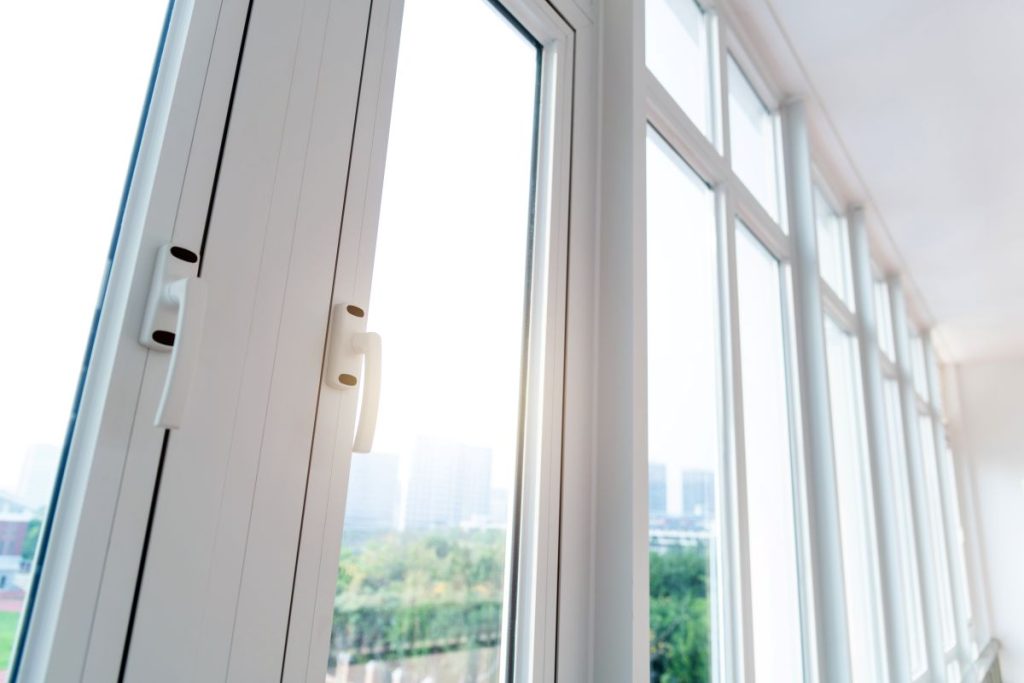
Choose Windows Built for Iowa Winters
Energy efficient windows are only as good as their fit for your specific climate, and Iowa’s cold winters and humid summers demand more than a generic national rating. First Fruits Construction has helped homeowners across Knoxville and surrounding areas choose windows with the right U-factor, SHGC, and frame material for their specific property, rather than defaulting to whatever is easiest to sell. Whether you are replacing a single drafty window or upgrading an entire home, our team is ready to walk you through the ratings that actually matter for Iowa’s climate. If you would like honest guidance instead of another generic efficiency claim, contact us today and let’s find windows built for the winters you actually live through.

Discover Better Roofing Today!
"*" indicates required fields
"Whatever you do, work at it with all your heart"
Colossians 3:23